
Exploring the latest innovations in casino design trends
Sustainable Casino Design
In recent years, sustainability has become a focal point in the design of casinos. Architects and developers are increasingly incorporating eco-friendly materials and practices to minimize environmental impact. This includes using recycled materials, energy-efficient lighting, and water-saving fixtures. Such innovations not only contribute to a healthier planet but also resonate with a growing number of environmentally conscious consumers who prefer establishments that prioritize sustainability. For instance, players can explore various gaming options at Extreme Casino while enjoying a venue that supports eco-friendly practices.

Beyond material choices, the integration of green spaces is becoming prevalent in casino design. Outdoor gardens, rooftop parks, and living walls are not only visually appealing but also promote well-being among patrons. These designs encourage social interactions and relaxation, creating a more inviting atmosphere. By blurring the lines between indoor and outdoor spaces, casinos can offer unique experiences that enhance guest satisfaction while staying true to sustainable practices.
Leading examples of sustainable casino design can be seen in properties like the Solaire Resort & Casino in the Philippines, which features numerous green initiatives. These include energy-efficient systems and a commitment to waste reduction. As the industry continues to evolve, more casinos are likely to adopt sustainable practices, setting new standards that future projects will strive to meet.
Technological Innovations
The integration of technology in casino design has revolutionized the gaming experience. From advanced slot machines to interactive gaming areas, technology enhances user engagement and entertainment. Virtual reality (VR) and augmented reality (AR) are now being explored to create immersive experiences that captivate players. Such innovations offer new gameplay mechanics and a unique atmosphere that traditional games cannot replicate.
Moreover, the rise of cashless gaming is transforming the financial aspects of casino operations. Many establishments are implementing digital wallets and mobile payment systems, allowing patrons to deposit and withdraw funds seamlessly. This enhances security and convenience for users, encouraging them to spend more time gaming rather than worrying about handling cash. As technology continues to advance, casinos must stay updated to meet customer expectations.
Additionally, the use of data analytics in casino design helps operators understand customer preferences better. By analyzing gaming patterns and behavior, casinos can tailor their offerings, optimize layout designs, and even personalize marketing strategies. This data-driven approach not only improves operational efficiency but also enhances the overall player experience, making it a vital part of modern casino architecture.
Luxurious Interiors and Theming
Theming and luxurious interiors play a significant role in attracting visitors to casinos. Designers are focusing on creating unique atmospheres that transport patrons to different worlds, whether through opulent furnishings or elaborate motifs. High-end materials such as marble, crystal, and leather are often used to give a sense of luxury that resonates with high-stakes players and casual visitors alike.
Moreover, experiential design has gained traction, with many casinos adopting immersive themes that offer more than just gaming. For instance, integrating art installations, live performances, and themed restaurants within the casino encourages guests to explore various offerings beyond gambling. This multi-faceted approach not only enhances guest experiences but also fosters longer stays and increased spending.
Casinos like The Venetian in Las Vegas exemplify this trend, boasting a stunning replica of Venice’s canals and architecture. Such elaborate theming creates a memorable experience that keeps patrons returning. As competition intensifies, the importance of striking interiors and themed designs will continue to grow, influencing future projects across the industry.
Flexible and Multi-Functional Spaces
Modern casinos are moving towards flexibility in their design to accommodate diverse activities. Rather than being solely gaming-focused, many venues are incorporating multifunctional spaces that can host events, concerts, and conferences. This shift allows casinos to attract a broader audience, making them not just places to gamble but also destinations for entertainment and social gatherings.
Designing for flexibility often involves creating open floor plans that can be easily reconfigured. For example, areas can be transformed from gaming zones to event spaces with modular furniture and movable partitions. This versatility helps casinos maximize their use of space, ensuring they remain profitable regardless of changing trends in the gaming industry.
The trend towards multi-functional spaces also reflects evolving customer preferences. Many guests are looking for comprehensive experiences, where they can dine, socialize, and enjoy entertainment in one location. By responding to these desires, casinos are better positioned to enhance their appeal and compete in a crowded marketplace.
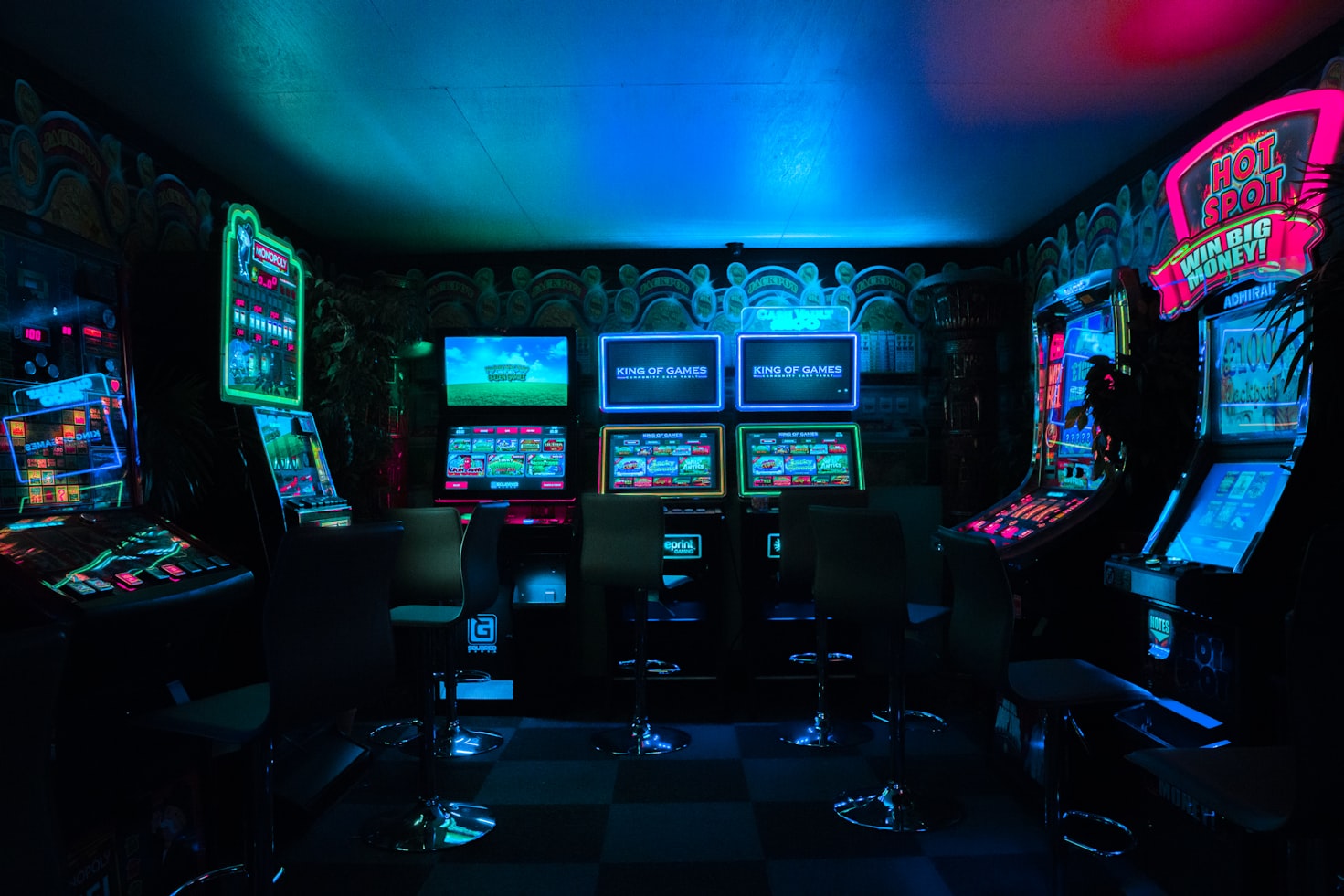
Casino Innovations in the Digital Age
As the digital landscape continues to evolve, casinos are adapting to incorporate online gaming experiences into their physical spaces. With the rise of online gambling, brick-and-mortar casinos are blending traditional gaming with digital platforms, offering patrons access to online games and live dealer experiences within the casino environment. This hybrid model aims to attract both in-person visitors and those who prefer online gaming.
Furthermore, casinos are investing in user-friendly mobile applications that complement the physical experience. These apps allow players to manage their gaming accounts, access promotions, and even make reservations for dining and entertainment. Such convenience enhances the overall experience, making it easier for customers to engage with the casino both on-site and online.
Ultimately, the innovations in casino design trends reflect a broader shift towards a more integrated and customer-focused approach. As operators recognize the need to merge traditional and digital gaming experiences, the future of casino design promises to be more dynamic, catering to an increasingly diverse clientele.